
Driveways That Handle Louisiana Rain
Rock Hauling in Bossier City for properties with drainage problems and unstable driveway surfaces
Soft soil turns driveways into mud channels during heavy rain, creating ruts that trap vehicles and erode the surface down to bare earth. Mooney Farms LLC delivers rock, gravel, and aggregate materials via dump trailer to residential and commercial sites across Bossier City, then grades the material with a blade attachment to create a stable driving surface that sheds water instead of absorbing it. North Louisiana's clay-heavy soil requires a proper stone base layer to prevent sinking and washout during the region's frequent downpours.
The delivery process involves hauling bulk stone to your site and dumping it in staged piles or direct placement depending on access width and grading needs. After material placement, a tractor-mounted grade-off blade spreads and levels the rock to match existing terrain slope, creating a crowned surface that directs runoff to the edges rather than pooling in the center. This combination of material delivery and grading eliminates the gap between dropping off a stone pile and leaving you to spread it manually.
Request a detailed estimate based on your driveway length and the depth of stone needed to stabilize the surface.
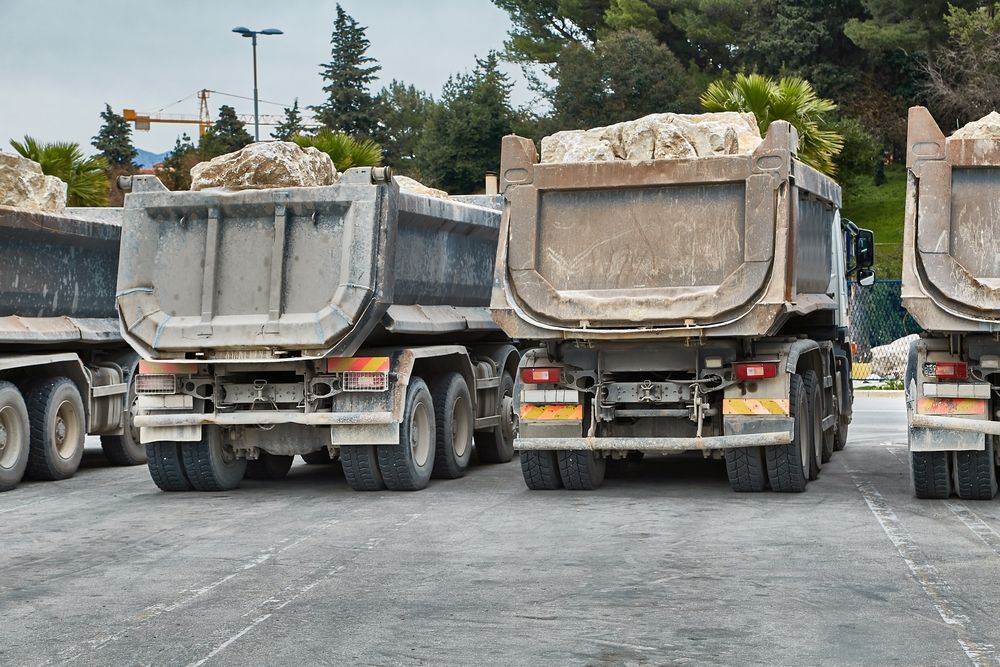
How Aggregate Placement Addresses Drainage
Crushed stone creates voids between particles that allow water to percolate downward instead of sitting on the surface, while the angular edges lock together under vehicle weight to resist displacement. Properties in Benton, Greenwood, and Elm Grove often need foundation prep work before construction, which requires a compacted gravel base to prevent settling once the structure loads the ground.
After grading and compaction, you see a firm surface that vehicles traverse without sinking, standing water disappears within hours of rainfall, and the driveway maintains its shape through seasonal freeze-thaw cycles. The blade attachment creates consistent slope across the width of the drive, preventing the low spots that collect rainwater and accelerate erosion in ungraded installations.
The service includes transport and grading but does not include excavation of existing soil or installation of geotextile fabric, which some high-traffic commercial sites require beneath the stone layer. Material type depends on intended use: larger aggregate for heavy equipment access, smaller crushed stone for residential driveways, and decorative rock for landscaping applications where appearance matters as much as function.
Answers to Frequent Service Questions
Material selection and site preparation affect how long the surface remains stable and whether additional stone will be needed as settling occurs over the first year.
What type of rock works best for wet Louisiana soil?
Crushed limestone or granite with angular edges compacts tighter than rounded river rock, creating a base that resists displacement when saturated clay soil underneath shifts during prolonged rain.
How deep does the stone layer need to be?
Residential driveways typically need four to six inches of compacted aggregate to prevent rutting, while commercial or equipment access routes require eight inches or more depending on vehicle weight.
Why does grading matter after dumping the rock?
Ungraded piles leave high spots that scrape vehicle undercarriages and low areas where water collects, so blade work distributes material evenly and establishes proper drainage slope across the entire surface.
When should I schedule rock delivery in Bossier City?
Scheduling during dry periods allows the base to compact naturally under vehicle traffic before heavy rains test the drainage system, giving the stone time to settle into a stable surface.
What changes after the stone is placed and graded?
The driveway becomes passable immediately without waiting for curing, muddy ruts disappear, and the surface sheds rainwater to the edges instead of absorbing it into the underlying soil.
Mooney Farms LLC offers free estimates by phone to calculate the volume of material your site requires and discuss grading options for sloped or uneven terrain. Arrange a site visit to review access points for the dump trailer and identify drainage patterns that affect material placement.